







Millions are seeing real results with GLP-1 medications. Rapid weight loss creates predictable physiological shifts that the medication alone cannot manage. Understanding what is happening in your body is the difference between short-term weight loss and a sustainable healthy lifestyle.

What Happens in Your Body on GLP-1 Therapy
When calorie intake drops, several changes can occur at once. Research indicates that weight lost during rapid weight loss can include lean body mass, not just fat, which may affect resting metabolic rate, strength, and long-term weight management. Reduced appetite can make it more difficult to meet nutrient needs, and some people experience fatigue or changes in recovery from exercise. Because GLP-1 medications slow gastric emptying, gastrointestinal symptoms such as nausea, bloating, and constipation can occur. As the body adapts to lower calorie intake, weight-loss progress may also plateau.
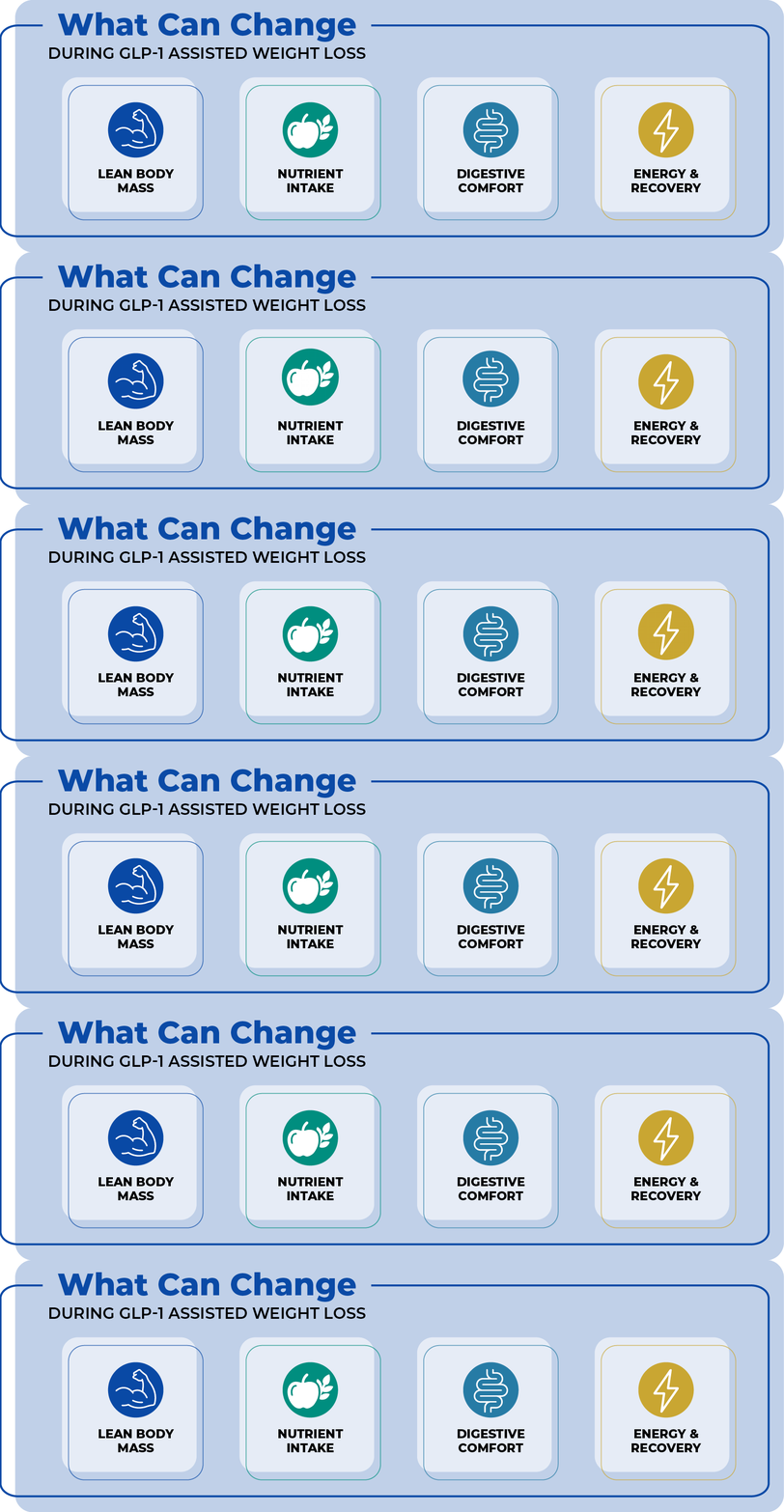
These are not random side effects. They are predictable biological responses that require an intentional nutrition and lifestyle strategy to address.

Supporting Your Body on GLP-1 Therapy
Managing GI Side Effects
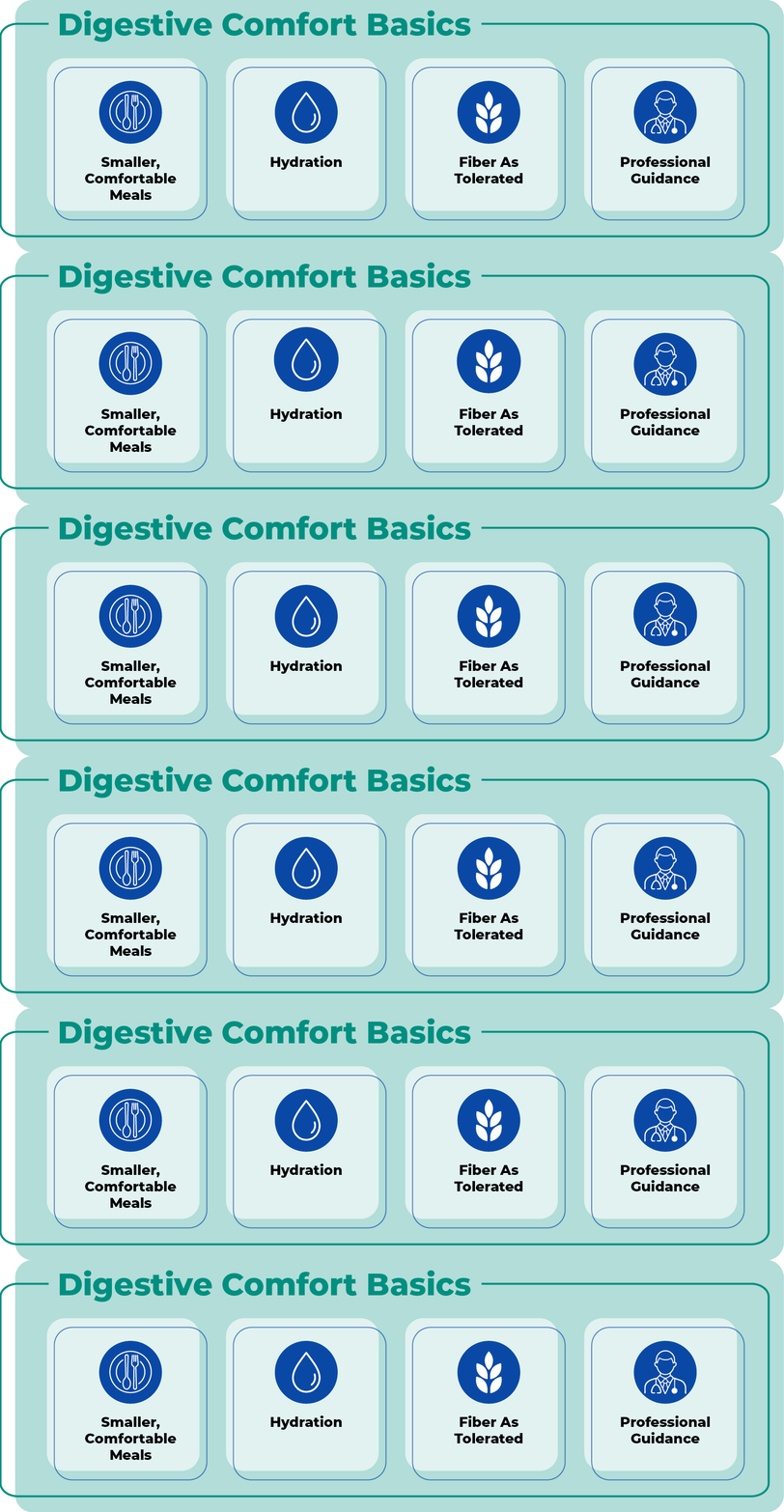
Gastrointestinal (GI) symptoms are most intense during the beginning of therapy and during dosage increases. For nausea, smaller and more frequent meals every three to four hours help reduce the burden on a slowed digestive system. Heavy, fatty foods should be avoided. Constipation is best addressed proactively with proper hydration, targeted fiber intake, and supplements to support digestive health, such as probiotics and magnesium.
Nutrition
Eating to Support Your Body
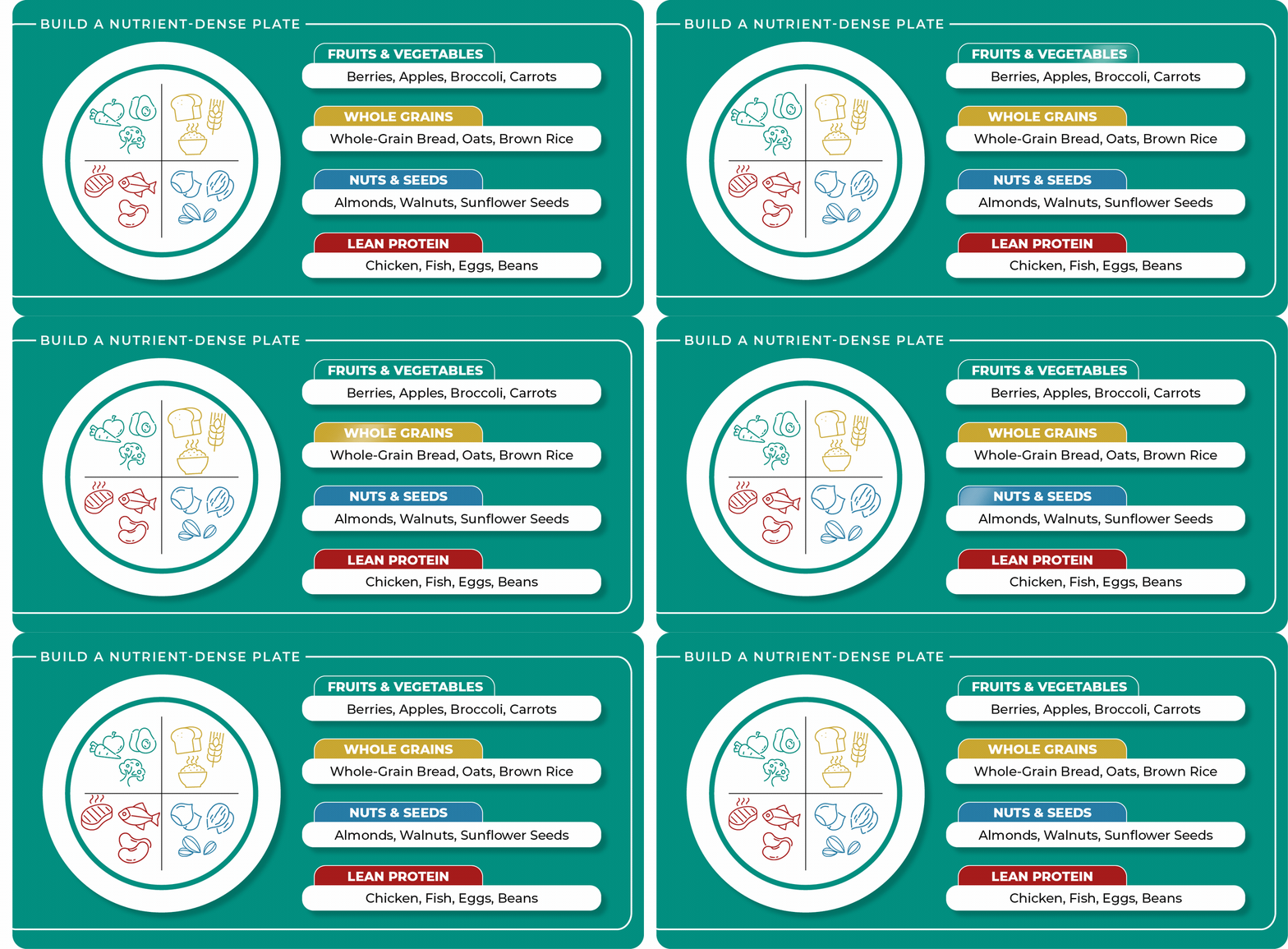
Focus your diet on minimally processed, nutrient-dense foods including fruits, vegetables, whole grains, lean proteins, nuts, and seeds. This approach helps guard against the vitamin and mineral shortfalls that naturally occur when overall food intake drops.
As GLP-1 medications quiet hunger signals and reduce food noise, it becomes easy to go too long without eating. Even when appetite is suppressed, actively planning your meals helps prevent compounding nutrient gaps.
Preserving Muscle and Supporting Bone Health
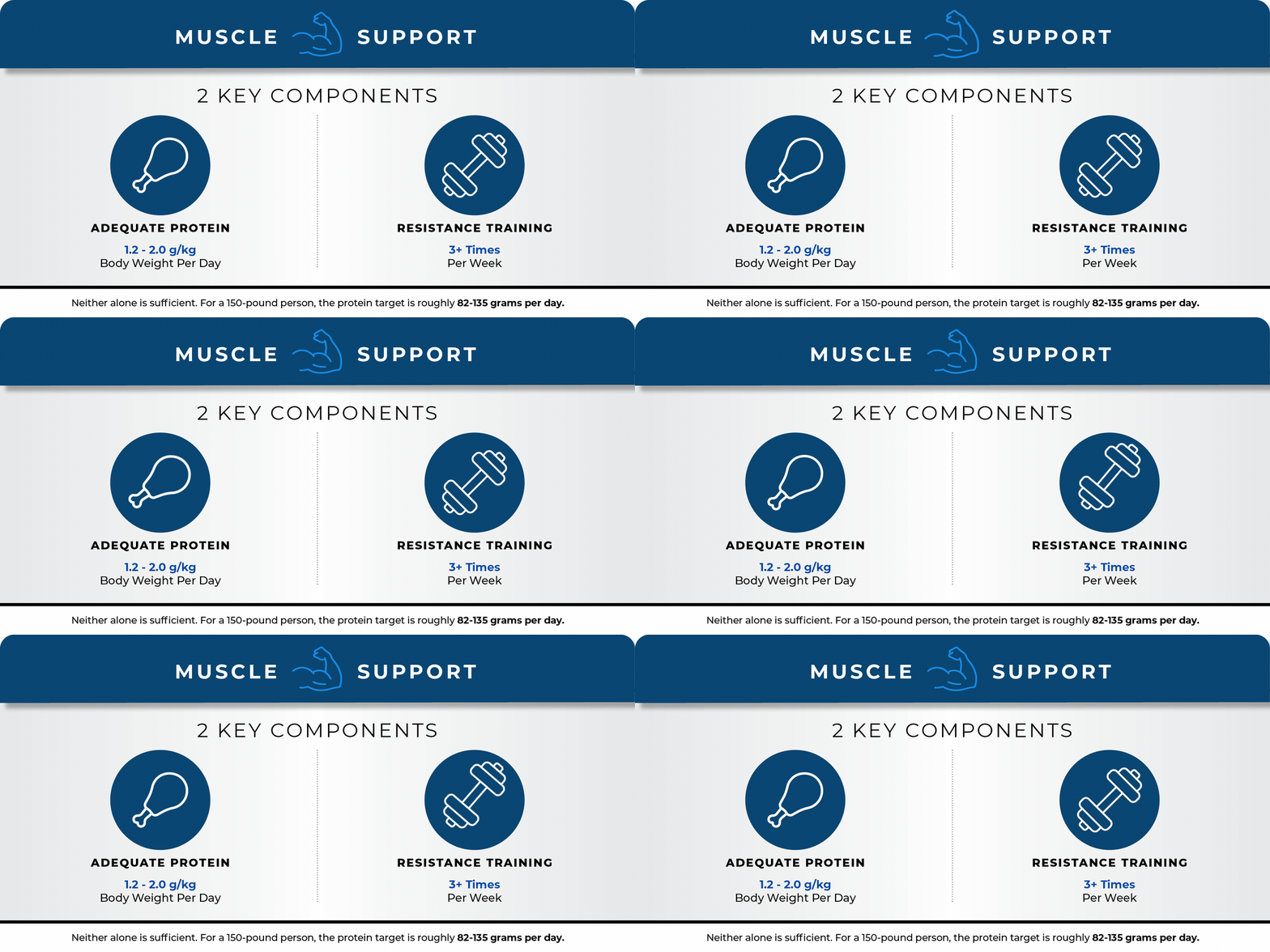
This is where most people on GLP-1 therapy are underserved. Preserving muscle requires two targeted approaches working together: adequate daily protein and structured resistance training. Neither alone is sufficient.
The recommended protein target is 1.2 to 2.0 grams per kilogram of body weight per day. For a 150-pound person, that translates to roughly 82 to 135 grams of protein daily. Alongside that, resistance training at least three times per week is essential to actively maintain lean muscle.
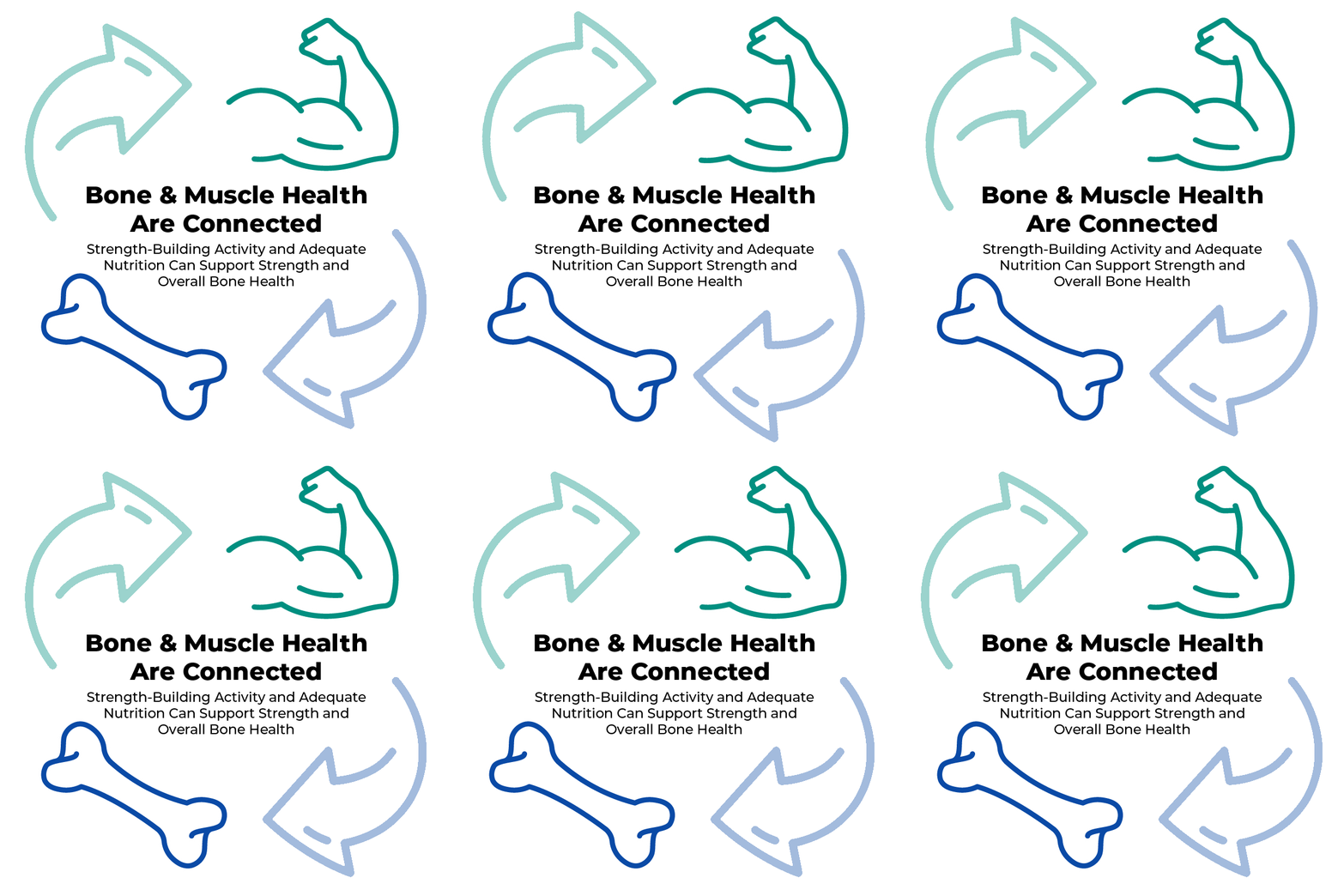
An often-overlooked consideration is the reduction in bone mineral density changes that occur during GLP-1 therapy. Bone mineral density lost during a weight-loss-and-regain cycle is seldom recovered. The window to intervene is during active treatment, not after. Stronger muscles exert greater mechanical stress on the skeleton, which naturally stimulates bone maintenance, so resistance training effectively does double duty here.

Supporting Lifestyle Factors
Beyond nutrition and exercise, other factors can influence how sustainable healthy routines feel. Prioritizing sleep quality, managing stress, and building social accountability through peer groups or support networks can help people stay consistent with their goals.

The IDLife GLP Support System
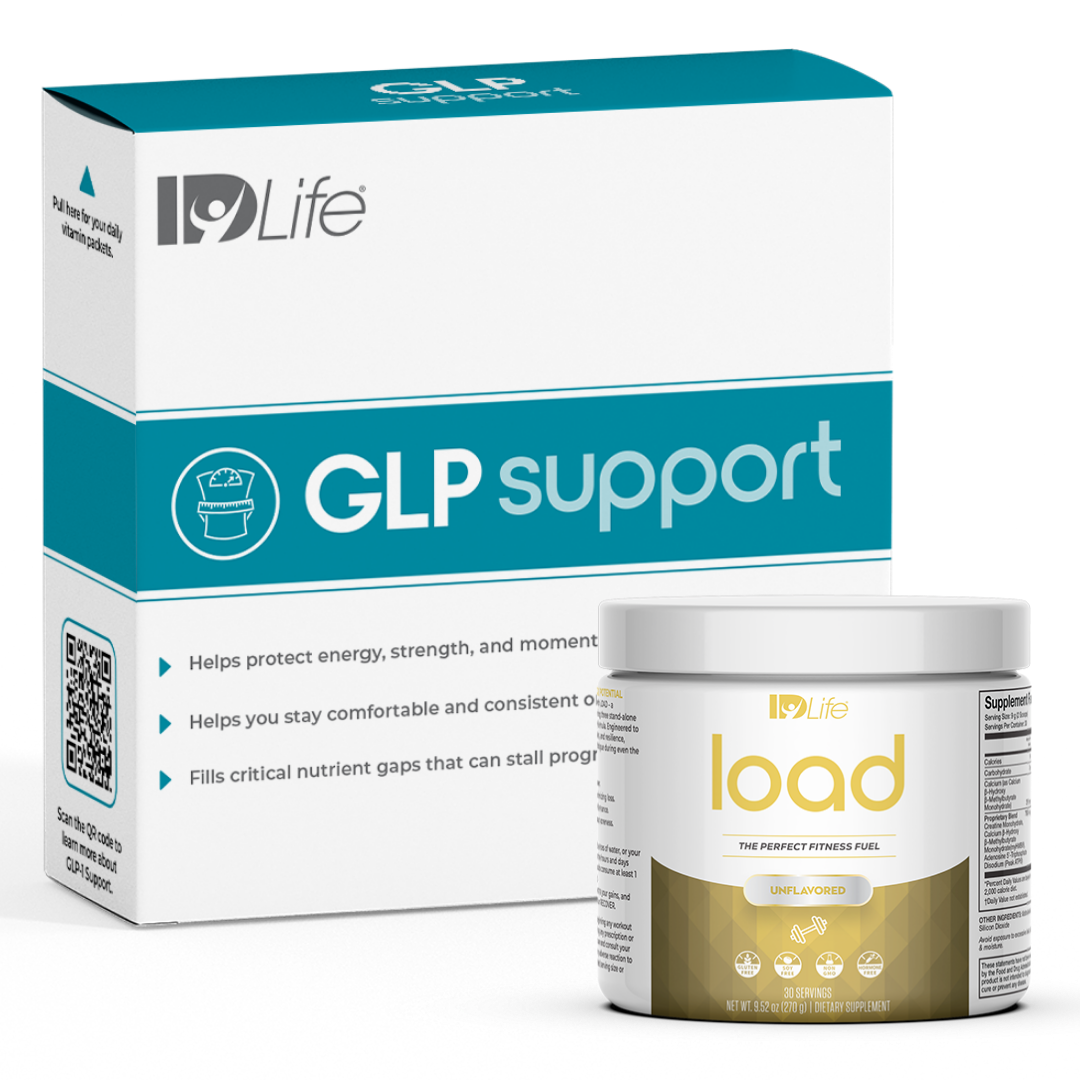
The IDLife GLP Support System is designed to counteract the primary physiological shifts that occur during GLP-assisted weight loss by focusing on two core priorities:
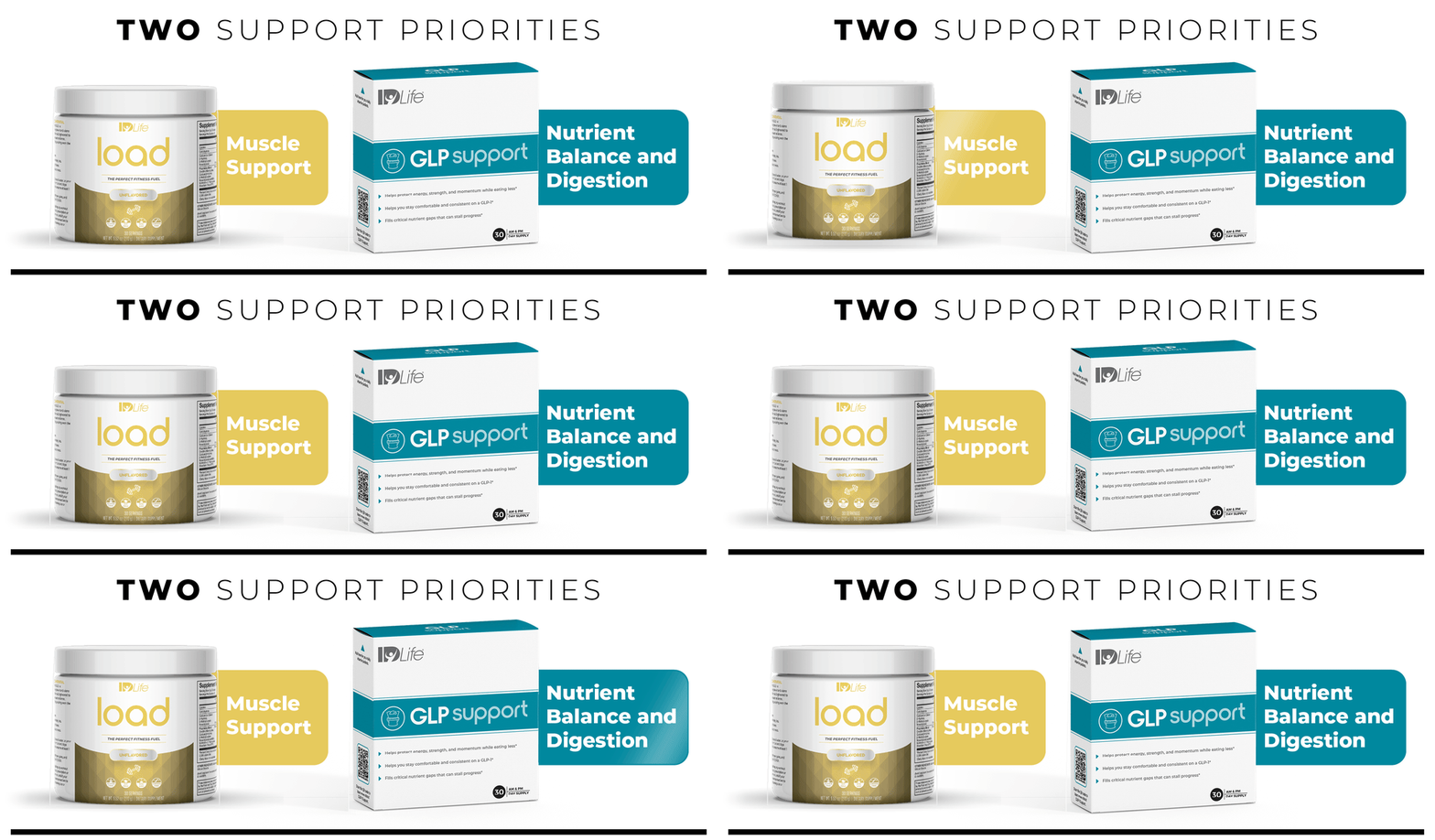
Priority 1 · Muscle support
Metabolic Health and Structure: LOAD
LOAD is a specialized creatine-based formula that preserves lean muscle during aggressive calorie restriction. Because a drop in calories can trigger muscle wasting and a stalled metabolism, LOAD provides a direct counterstrategy to protect lean tissue, enhance protein synthesis, and mitigate atrophy.
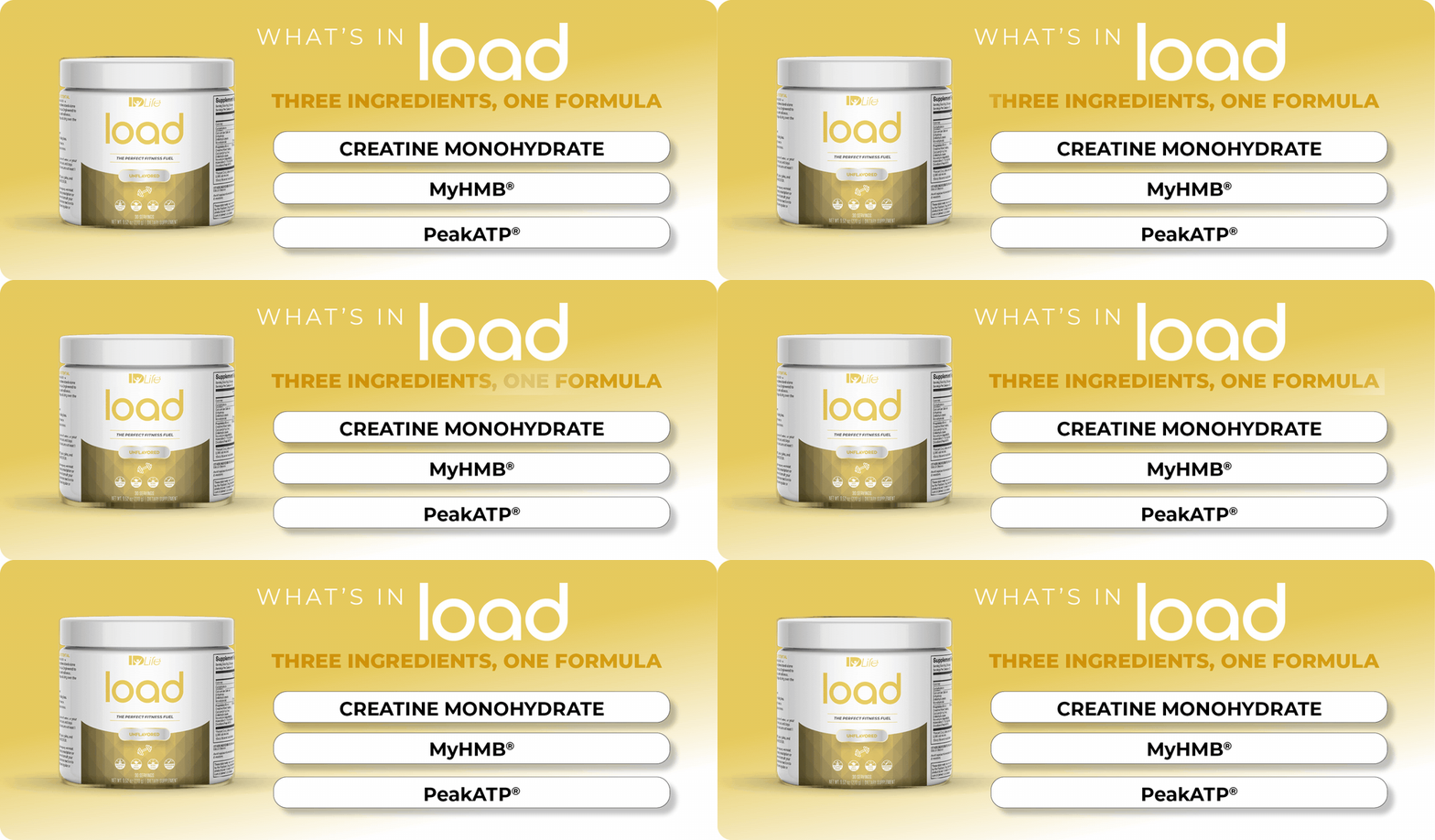
Creatine Monohydrate
The most extensively researched performance supplement available.
When paired with resistance training, it boosts cellular energy (ATP), enhances strength retention, and creates the mechanical stress your skeleton needs to stimulate bone maintenance and counteract weight-loss-related bone loss.
myHMB®
Protects muscle tissue during calorie deficits.
Clinically proven to protect muscle tissue from breakdown and combat atrophy during severe caloric deficits.
PeakATP®
Powers the training that matters.
Enhances physical performance and cellular energy, helping you power through the strength training required to maintain robust muscles and bones.
Swipe for more →
Priority 2 · Nutrient balance & digestion
Nutrient Balance and Digestion: GLP Support Pack
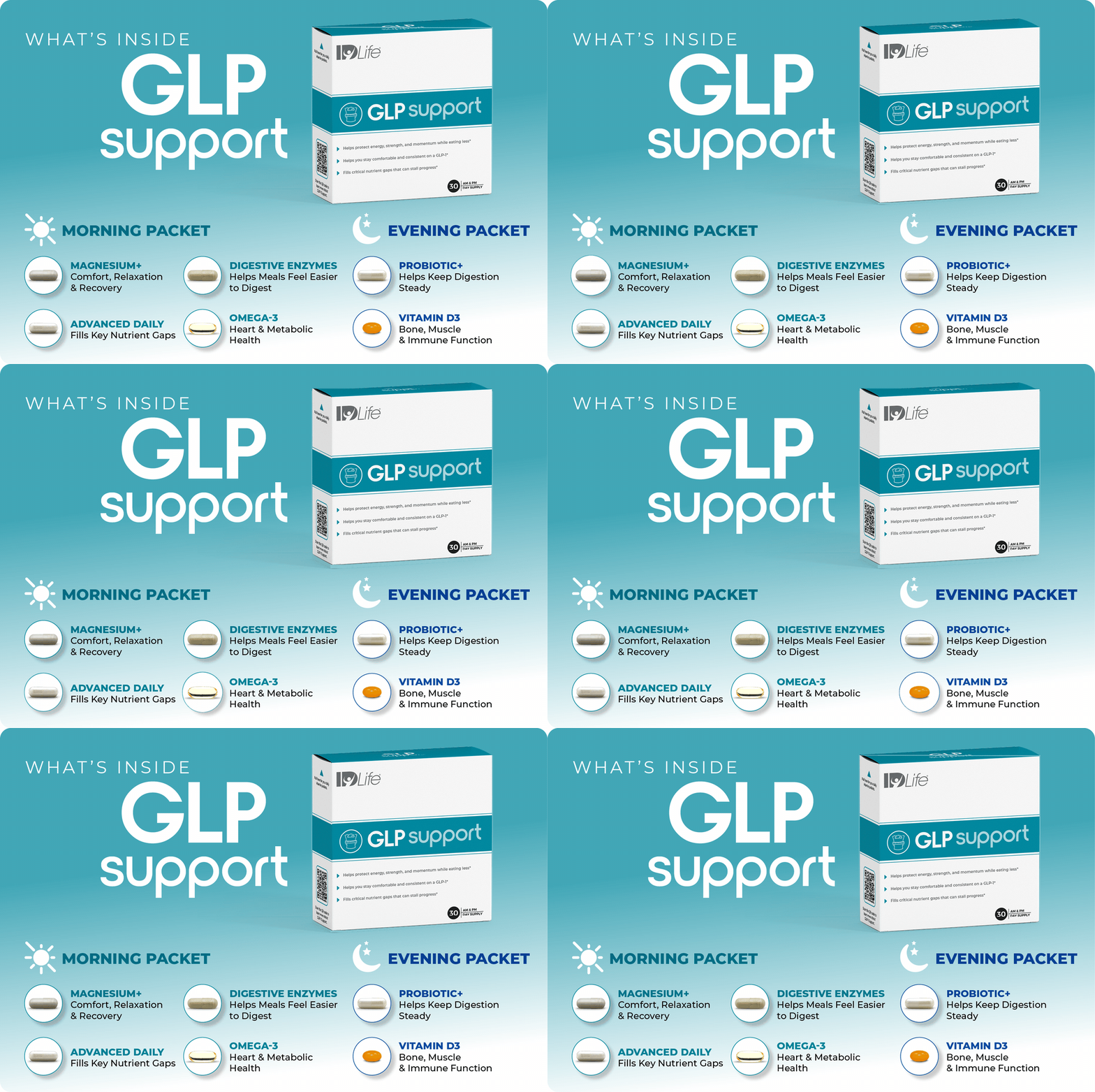
When daily food intake drops sharply, the GLP Support Pack delivers essential nutrients and targets digestive relief to keep your body balanced and comfortable.
Advanced Daily
Fills key nutrient gaps as food intake drops.
Helps cover foundational nutrients that support energy, metabolism, immune function, and cellular health during weight loss.
Digestive Enzymes
Helps meals feel easier to digest.
GLP-1s slow digestion. Digestive Enzymes help food break down more efficiently, reducing bloating and post-meal discomfort while supporting nutrient absorption.
Probiotic+
Helps keep digestion steady.
Changes in eating patterns can disrupt gut balance. Probiotic+ helps support healthy gut bacteria, promoting regularity and digestive comfort as your body adapts.
Omega-3
Supports heart and metabolic health.
Eating less often means getting fewer healthy fats. Omega-3 helps support cardiovascular and metabolic health while weight is coming down.
Vitamin D3+
Supports bone, muscle, and immune function.
Vitamin D deficiency is common and can be harder to avoid during reduced intake. Vitamin D3+ helps maintain healthy levels to support strength and immune health.
Magnesium+
Supports comfort, relaxation, and recovery.
Helps support bowel motility, muscle relaxation, and sleep quality, areas that commonly suffer during calorie restriction.
Swipe for more →
Talk with your healthcare professional before starting or combining supplements. They can help determine whether a product is appropriate for you and whether any ingredients may interact with medications or health conditions.
The Bottom Line
Don’t just follow the trend—do it right by actively supporting your body and protecting your hard-earned results. Stay ahead of what most people overlook by exploring the IDLife GLP Support System to take full control of your progress. In summary, while GLP medications can start the weight-loss process, properly supporting your body’s muscle, bone, and metabolic health is what helps you finish it well.